When Familiar Faces Feel Distant
How Spiritual Awakening Changes Our Relationships
Published October 29, 2026
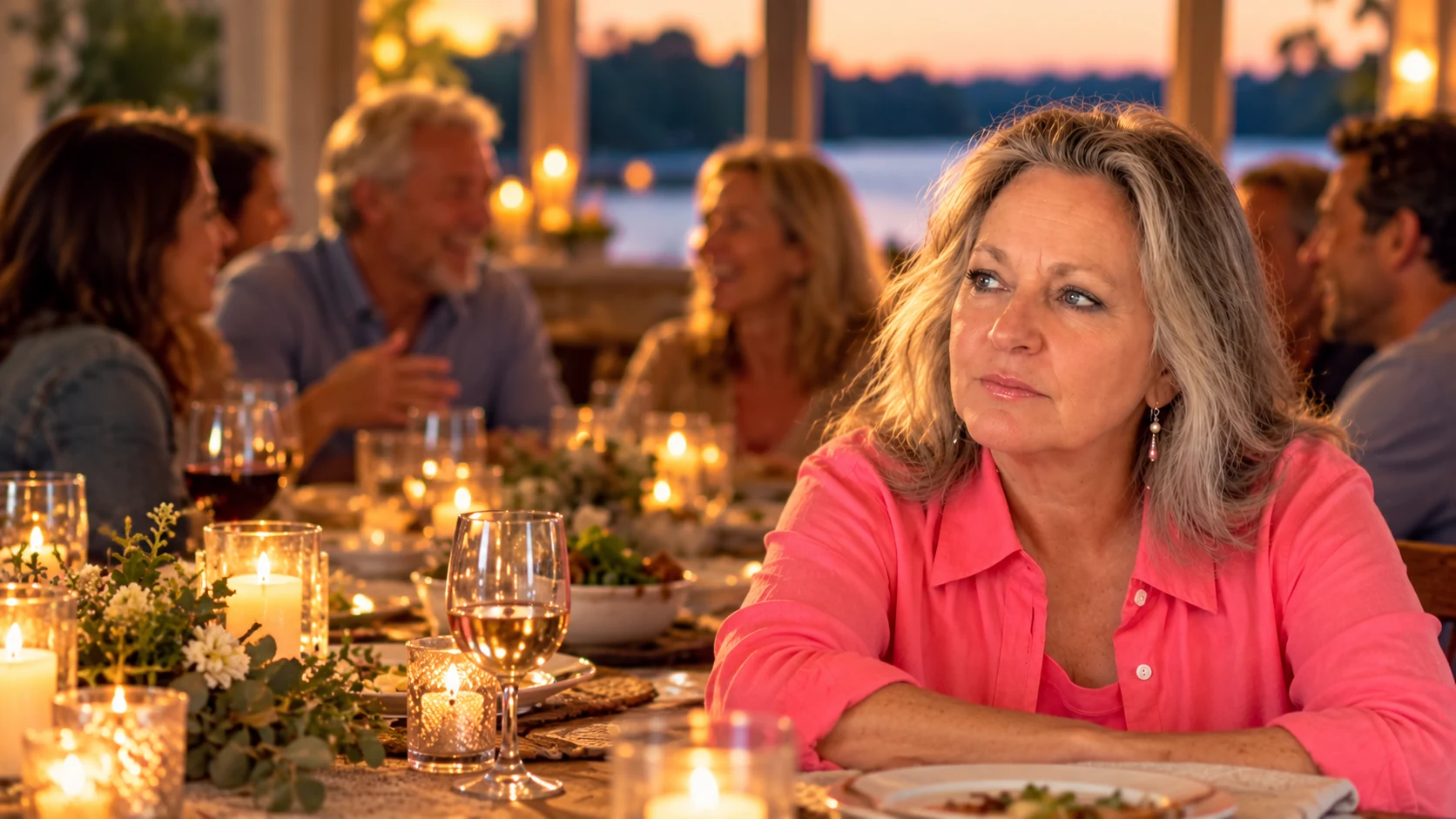
“Sometimes the hardest part of spiritual awakening is realizing how much you've changed while the people you've always loved still see you as the person you used to be.” Cheryl T. Campbell
When You Start Feeling Like an Outsider
One of the more difficult experiences during spiritual awakening can be realizing that you don't feel quite the same around people you've known for years.
Perhaps you're sitting at a family gathering, listening to conversations that once felt familiar, and you realize how differently you see things now.
You still love these people. You're pleased to see them, especially when you don't have many opportunities to spend time together.
But after a while, you find yourself wanting to leave.
Maybe you're exhausted by all the activity around you. Perhaps you've been listening to a conversation that makes you uncomfortable. Or maybe you simply feel as though you don't fit in the way you once did.
And that can be confusing.
You may wonder why you can't enjoy yourself the way everyone else seems to be enjoying themselves.
You might even feel guilty because the people around you haven't necessarily done anything wrong.
I think one of the challenges is that we can experience several different things at once. We can love the people we're with, miss the closeness we once felt, and still want very much to go home.
It took me years to begin understanding some of those feelings in my own life.
When Even the People You Love Exhaust You
For many years, my family gathered at a lake house for our annual reunion.
People traveled from different parts of the country to be there. Some of them were relatives I only saw once a year, so those gatherings were important to me.
And I genuinely enjoyed seeing everyone.
But I also remember how often I needed to get away.
Nearly every day, I'd reach a point where I wanted to withdraw from all the activity and spend some time alone.
I didn't understand it back then.
I knew people had made an effort to be together, and I felt I should be spending that time with them.
Instead, I sometimes found myself wishing I could escape for a while.
I worried that I was being rude. I wondered why I couldn't simply stay and enjoy everyone's company.
Looking back, I think I was judging myself for something I hadn't learned to understand.
As the years passed and I explored my own spiritual experiences, I began to think differently about my sensitivity to other people's moods and emotions.
I came to understand myself as someone who could be strongly affected by the energy of the people around me. That's how I've made sense of my own experience, and over time I've developed personal routines that help me feel more comfortable in those situations.
But I also recognize that other people may understand similar experiences differently.
A busy gathering can be exhausting for many reasons. There may be constant conversation, conflicting personalities, noise, difficult memories, or simply more social interaction than we're comfortable with.
What matters is beginning to recognize how we actually feel.
Because sometimes our need to be alone has very little to do with how much we love the people around us.
When You Feel You Can't Be Yourself Anymore
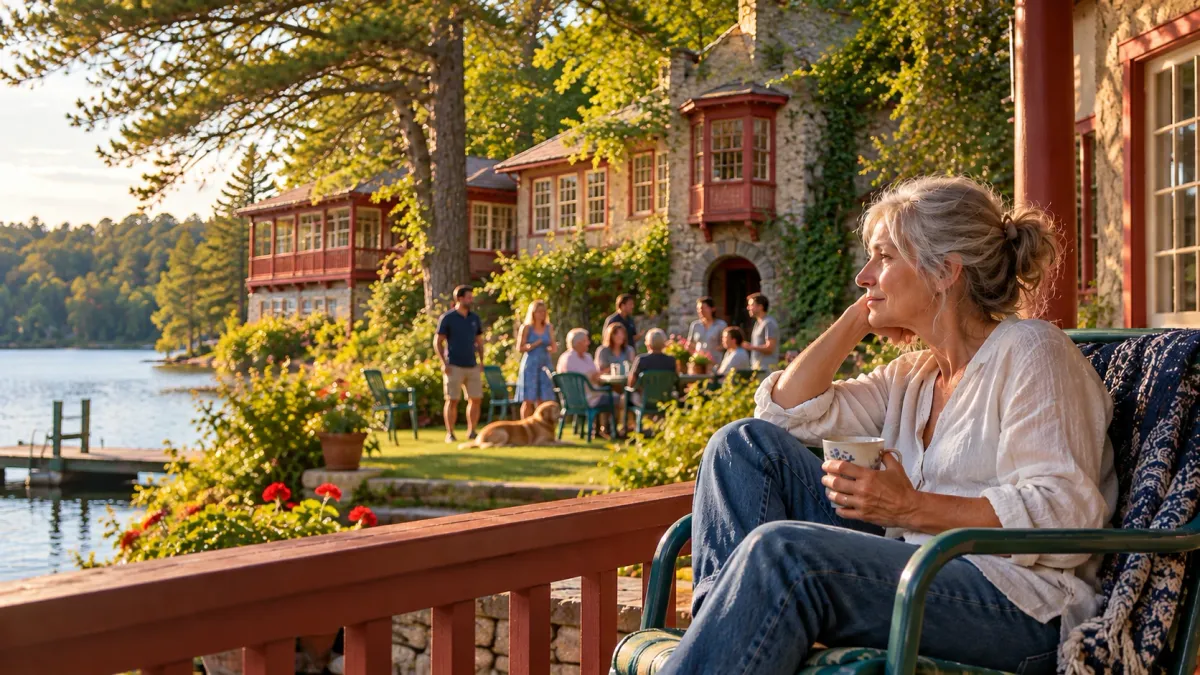
There's another kind of exhaustion that can develop as our beliefs and interests change.
Perhaps you've been questioning ideas you accepted for most of your life.
Maybe you've become interested in spiritual subjects that people close to you don't understand or don't particularly want to discuss.
At first, you might try to share what you're discovering.
But after a few uncomfortable conversations, you begin holding back.
You avoid certain subjects. You listen while others talk about things you no longer believe. You may even find yourself agreeing just to keep the peace.
And eventually, spending time together starts to feel like work.
I think this can be especially painful when the people involved have been part of our lives for decades.
There's a history between you. There are memories you treasure. You may have shared holidays, family celebrations, difficult times, and experiences that still matter deeply to you.
You don't want to lose those connections.
But you're also discovering that you no longer see everything the way you once did.
Sometimes people are uncomfortable when someone they know begins changing. They may still think of us as the person we were years ago, even when our understanding of ourselves has become very different.
And sometimes we're the ones who feel uncomfortable because we don't know how to share what we're experiencing.
We may be afraid of being criticized or misunderstood.
Or perhaps we're still trying to understand our own beliefs and don't feel prepared to explain them to anyone else.
I've come to think that these situations deserve more consideration than simply deciding we've outgrown the people in our lives.
Some relationships genuinely change. Some become more difficult. And some may continue to be meaningful even when there are subjects we don't discuss.
But if you're consistently leaving conversations feeling that you can't be yourself, I can understand why staying home might begin to seem more appealing.
When Staying Home Feels Safer
There's something interesting about my own experiences with spirituality.
My mother and I could talk about intuition and what we sometimes called our “witchiness.”
Back in the 1980s, we even visited a psychic together.
So it would be inaccurate to say that spiritual subjects were always off-limits in my family.
Some conversations were quite natural.
Others were much more difficult.
I think that's an important distinction because relationships are rarely as simple as saying we can or cannot discuss spirituality with someone.
Sometimes we're comfortable sharing one aspect of our beliefs but reluctant to discuss another.
We may have wonderful conversations about intuition, for example, while finding subjects related to organized religion or changing spiritual beliefs considerably harder.
And our willingness to share may depend on the person, the circumstances, and what we've experienced together before.
I've recently had an experience that made me look at this from another perspective.
When Being Home Starts Feeling Better
Something else has changed for me over the years.
I've discovered how much I enjoy being home.
I have interests that genuinely engage me. I enjoy having time to explore what matters to me without feeling that I need to explain myself or participate in someone else's plans.
And I don't experience that as a problem.
There's a difference between sitting at home feeling lonely because you're afraid to spend time with people and being at home feeling perfectly content with how you've chosen to spend your day.
Of course, those experiences can overlap.
You might enjoy your own company and still miss someone you love.
You may feel content most of the time but occasionally wish you had someone who shared your interests.
And you can love your family while recognizing that a large gathering may no longer be the way you most enjoy spending time with them.
I think that's why it's useful to consider our reasons for wanting solitude instead of automatically assuming that wanting to be alone means we're withdrawing from life.
For some people, spending more time at home may be a response to emotional exhaustion.
For others, it may reflect changing relationships or a sense of no longer belonging in familiar social situations.
And sometimes, it may simply be a preference that has developed as our interests and priorities have changed.
There isn't one explanation that fits everyone.
Understanding the Difference Between Solitude and Disconnection
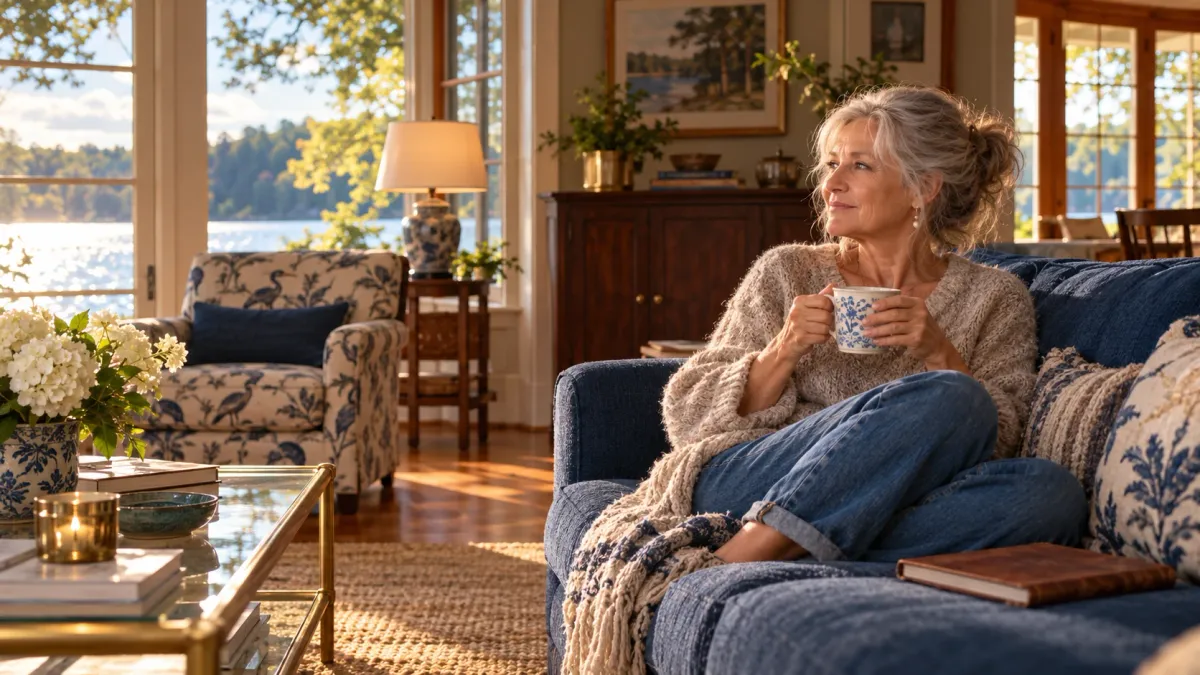
If you've been experiencing spiritual awakening and feeling disconnected from people you love, you may be tempted to explain everything through that experience.
You might believe your changing spiritual awareness is the reason you're becoming less interested in social gatherings.
That may be part of how you understand what's happening.
But I think it's helpful to look at the actual experiences behind the feeling.
Consider the last time you wanted to be alone.
Were you physically or emotionally exhausted after spending hours with other people?
Had a conversation left you feeling misunderstood or uncomfortable?
Were you disappointed because a relationship no longer felt as close as it once did?
Or were you simply looking forward to spending the afternoon at home doing something you enjoy?
Perhaps several of those things were true.
You may discover that you need more rest than you've been giving yourself.
You might recognize a relationship that's been troubling you.
Or you may begin appreciating how much satisfaction you find in your own company.
For me, the value is in recognizing these differences.
When we understand what's influencing our choices, we're in a better position to consider what we actually want.
And we can do that without judging ourselves for needing time alone or assuming we must become more social to be happy.
Making Room for Relationships That Are Changing
I've also come to appreciate that our relationships don't necessarily have to remain exactly as they were.
Sometimes the way we spend time together changes.
Perhaps large gatherings become less appealing, but an occasional lunch with a friend still feels wonderful.
Maybe you no longer share certain beliefs with a family member, yet you continue to enjoy hearing about their life and spending time together.
And sometimes you recognize that a relationship has changed so much that maintaining the same level of closeness no longer feels right.
I don't think there's a simple rule for deciding what to do in every situation.
But I do think we can give ourselves permission to recognize what's happening.
We can acknowledge the disappointment of feeling distant from someone we love.
We can recognize when we're exhausted and need time to recover.
And we can appreciate the things we genuinely enjoy about being alone.
Those feelings don't have to cancel each other out.
You may still wish certain relationships felt different, even while discovering that your life at home brings you a great deal of satisfaction.
A Reflection on What Home Means to You
I'd like you to think about the last time you decided to stay home rather than spend time with someone.
Try to remember what you were feeling when you made that choice.
Were you tired?
Were you expecting an uncomfortable experience?
Did you feel that you wouldn't be able to share what mattered to you?
Or were you simply enjoying your day and didn't want to interrupt it?
Now think about how you felt afterward.
Did being home give you the rest you needed?
Did it offer relief from something you didn't want to face?
Or did you spend the time doing something you genuinely enjoyed?
You may find that your answers are different depending on the day, the people involved, and what's happening in your life.
That's something worth recognizing.
Your desire to spend time alone doesn't always have to mean the same thing.
Understanding What Feels Right for You
I don't believe spiritual awakening automatically makes us want to be alone.
But when our beliefs, interests, and understanding of ourselves change, our experiences with other people can change, too.
Sometimes we feel misunderstood.
Sometimes we're exhausted by situations we once handled more comfortably.
Sometimes we miss the connection we used to have with people we've known for years.
And sometimes we discover that we genuinely enjoy being home.
I think we can recognize all those possibilities without deciding that anything must be wrong.
You can love people and still need time away from them.
You can recognize that a relationship has changed without dismissing everything you've shared.
And you can find real contentment in your own company while remaining open to the connections that matter to you.
Perhaps the most useful thing we can do is continue learning to recognize why we're making the choices we make.
That understanding may help us create a life that reflects who we're becoming.
Continue the Journey
In my related YouTube episode, Why Spiritual Awakening Makes You Want to Be Alone, I share more about my experiences at our family reunions, why I once judged myself for needing to withdraw, and how my understanding of solitude and relationships has changed over time.
If you've found yourself wanting to stay home even when you love the people inviting you out, I hope you'll find something familiar in this conversation.
Watch the Related Episode Below
Put This Principle Into Practice
Sometimes we recognize ourselves in a story but need a little time to understand how it relates to our own lives.
That's why I created When Home Feels Right, a 12-page guided Living Practice in the Inner Advantage collection.
It offers private reflections and writing exercises to help you explore how exhaustion, changing relationships, and genuine enjoyment may be influencing your desire for solitude.
Through the practice, you'll have space to:
Notice how you feel during and after spending time with other people.
Explore what you're hoping to gain when you want to be alone.
Recognize what you genuinely enjoy about spending time at home.
Consider how your relationships and personal interests may have changed.
Reflect on what you need and how you want to approach future choices.
You don't need to change your relationships, become more social, or decide that one explanation is the right one.
You can simply begin understanding your experiences with greater self-awareness.
When Home Feels Right
Exploring Our Changing Relationship with Solitude
A guided 12-page Living Practice · $17
You can love the people in your life, recognize that some relationships have changed, and still find contentment in your own company.
Share this reflection:


✨ Feel free to wander back...